
Searching for weed in the UK can be confusing. With hundreds of cannabis-related websites, CBD products, hemp products, cannabis terminology and changing regulations, it is important to understand exactly what you are looking at before making a purchase.
Whether you are researching UK cannabis laws, comparing CBD products, learning about different cannabis terms, or simply trying to understand what is actually legal in the UK, this guide explains the key things you should know.
Is Weed Legal in the UK?
The first thing to understand is that not all cannabis products are treated the same way under UK law.
Cannabis remains a Class B controlled drug in the UK. Possessing, supplying, producing, importing or exporting controlled cannabis outside the relevant legal framework can be an offence.
That means consumers should be careful when they see websites advertising products using terms such as:
- THC weed
- Cannabis flower
- THC hash
- High-THC cannabis
- THC vapes
- Cannabis edibles
- THCA products
- Cannabis concentrates
The name used on a website does not automatically determine whether a product is legal.
What About CBD?
CBD, or cannabidiol, is a cannabinoid found naturally in hemp and cannabis.
Pure CBD does not fall under the Misuse of Drugs Act, but the legal situation becomes more complicated when CBD products contain controlled cannabinoids like THC. The Home Office clarifies that CBD products with controlled cannabinoids can qualify as controlled drugs unless they meet the applicable exempt-product requirements.
CBD food products are also subject to the UK’s novel food regulations. The Food Standards Agency requires authorisation for CBD extracts and isolates used as foods, classifying them as novel foods before they can legally enter the market.
CBD vs THC: What’s the Difference?
One of the most common sources of confusion when searching for weed in the UK is the difference between CBD and THC.
CBD (cannabidiol) is generally associated with non-intoxicating hemp and cannabis products.
THC (tetrahydrocannabinol) is the cannabinoid primarily associated with the intoxicating effects of cannabis.
They are chemically related cannabinoids, but they have very different effects and regulatory considerations.
When shopping for legal hemp or CBD products, don’t rely solely on phrases such as “legal weed” or “hemp flower”. Check the actual product information, cannabinoid content and the seller’s compliance information.
What Should You Look For in a UK Cannabis or CBD Website?
If you are researching products online, the quality of the website itself can tell you a lot.
A professional retailer should provide clear information about its products rather than relying entirely on marketing language.
1. Clear Product Information
Look for detailed information about:
- Product type
- Cannabinoid profile
- Ingredients
- Product weight
- Manufacturer or supplier information
- Recommended use where applicable
- Laboratory testing information
Avoid relying on a product name alone.
2. Laboratory Testing
Independent laboratory testing provides useful information about the actual contents of a product.
When testing occurs, you should look for a Certificate of Analysis (COA) or equivalent laboratory documentation.
Testing may identify cannabinoids, contaminants, pesticides, heavy metals, and other relevant characteristics, depending on the product.
A laboratory report should ideally identify the product or batch being tested, allowing you to meaningfully connect the results to the item being offered.
3. Transparent Business Information
A legitimate-looking website should make it reasonably easy to find information about the business.
Look for:
- Contact information
- Terms and conditions
- Privacy policy
- Delivery information
- Returns information
- Product information
- Company information
- Regulatory or compliance information where relevant
A website that provides little information about who operates it should be approached carefully.
Be Careful With “Legal Weed” Claims
The phrase “legal weed UK” is widely used online, but it can mean very different things.
Some websites use “legal weed” to describe CBD or hemp products. Others use it as a marketing phrase for products containing newer or alternative cannabinoids.
The important question isn’t simply whether a website calls something legal.
The important question is:
What exactly is in the product, and does that product meet the applicable UK legal requirements?
The UK government has also published guidance concerning cannabis, CBD, THC and other cannabinoids, including the legal controls that can apply to cannabinoid-containing products.
What Are Cannabis Strains?
If you’ve searched for cannabis online, you have probably encountered names such as:
- Blue Dream
- Gelato
- OG Kush
- Wedding Cake
- Zkittlez
- Cocain
- Gorilla Glue
- Northern Lights

These names generally refer to particular cannabis varieties or commercial strain names.
Cannabis products are also commonly described using terms such as ‘indica’, ‘sativa’ and ‘hybrid’.
However, strain names alone do not tell you everything about a product. Two products carrying the same strain name can differ significantly depending on cultivation, genetics, processing, storage and testing.
This is why responsible product information should go beyond simply displaying a strain name.
Understanding Cannabis Terminology
The cannabis industry uses a huge number of terms, and beginners can easily become confused.
Here are some of the most common:
Flower
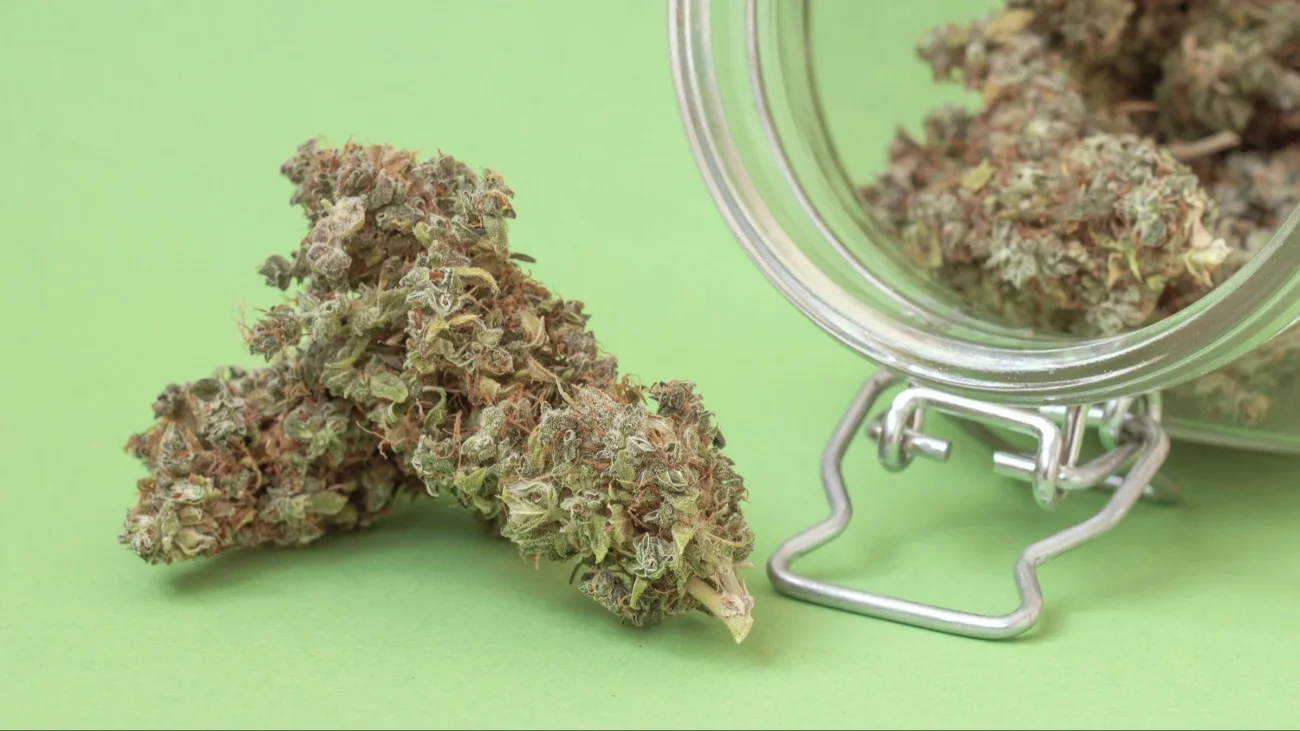
Cannabis flower refers to the flowering part of the cannabis plant.
Hash
Hash is a concentrated cannabis product traditionally produced from cannabis resin or trichomes.
Vape
A vape product heats a substance to create an aerosol for inhalation rather than burning plant material.
Edibles
Edibles, which are products that people consume instead of inhaling, contain cannabinoids. Furthermore, terpenes are also present in these products, contributing to their unique flavors and aromas.Edibles are products that people consume instead of inhaling, and they contain cannabinoids.
Edibles are products that people consume instead of inhaling, and they contain cannabinoids.
Terpenes are aromatic compounds found in many plants, including cannabis. They contribute to the smell and flavour profiles associated with different cannabis varieties.
Cannabinoids
Cannabinoids are chemical compounds that interact with cannabinoid receptors and include compounds such as CBD and THC.
Understanding these terms makes it much easier to evaluate cannabis-related information online.
How to Research a Cannabis Product Before Buying
If you are researching a product online, take a few minutes to investigate it rather than relying on the product title.
Start by asking:
What is the product?
Is it CBD, hemp, a food product, a cosmetic, an accessory or something containing a controlled cannabinoid?
What does the label say?
Check the cannabinoid information, ingredients and quantity.
Is laboratory information available?
If the seller claims that a product has been independently tested, look for supporting documentation.
Who is selling it?
Check whether the website provides identifiable business and contact information.
What does UK law say about that particular product?
Do not assume that something is legal simply because it is advertised online.
Buying Weed Online in the UK: The Bottom Line
The internet has made cannabis information more accessible than ever; however, that also means consumers need to become better at separating reliable information from marketing claims.
If you’re searching for weed in the UK, don’t start with price alone.
Start with:
Product → Ingredients → Cannabinoids → Testing → Seller → Legal status
That approach can help you make a much more informed decision.
For legal hemp and CBD products, regulatory requirements matter. The Food Standards Agency maintains guidance and a register relating to CBD products connected with novel-food applications, while the Home Office provides guidance on cannabis and controlled cannabinoids.
Moreover, a product being available on a website does not by itself prove that the product is legal to possess or supply in the UK.
Frequently Asked Questions
Is weed legal in the UK?
Recreational cannabis remains a Class B controlled drug in the UK. Possession and supply outside the applicable legal framework can result in criminal penalties.
Is CBD legal in the UK?
CBD does not fall under the Misuse of Drugs Act, but regulations for controlled drugs and food can apply to CBD products based on their composition.
What distinguishes CBD from THC?
CBD and THC are different cannabinoids. THC produces the intoxicating effects of cannabis, while CBD typically does not cause intoxication.
What is a Certificate of Analysis?
A Certificate of Analysis, or COA, is laboratory documentation showing analytical results for a particular product or batch.
Can I trust a website advertising “legal weed”?
Don’t rely on the phrase alone. Check what the product actually contains and whether it meets the relevant UK legal requirements.
Is cannabis the same as hemp?
Hemp and cannabis belong to the same plant genus, but the terms are used differently depending on the plant, its cannabinoid content and its legal/regulatory context.
Final Thoughts
The UK cannabis market can be difficult to navigate, particularly when websites use similar terminology for very different products.
The safest approach is to research before you buy.
Understand the difference between CBD and THC, look for transparent product information, investigate laboratory testing where available, and always consider the legal status of the specific product rather than relying on phrases such as “legal weed UK”.
At LittleBiggy, our goal is to make cannabis-related information easier to understand by providing clear, useful and accessible information for people researching the UK cannabis and hemp market.