
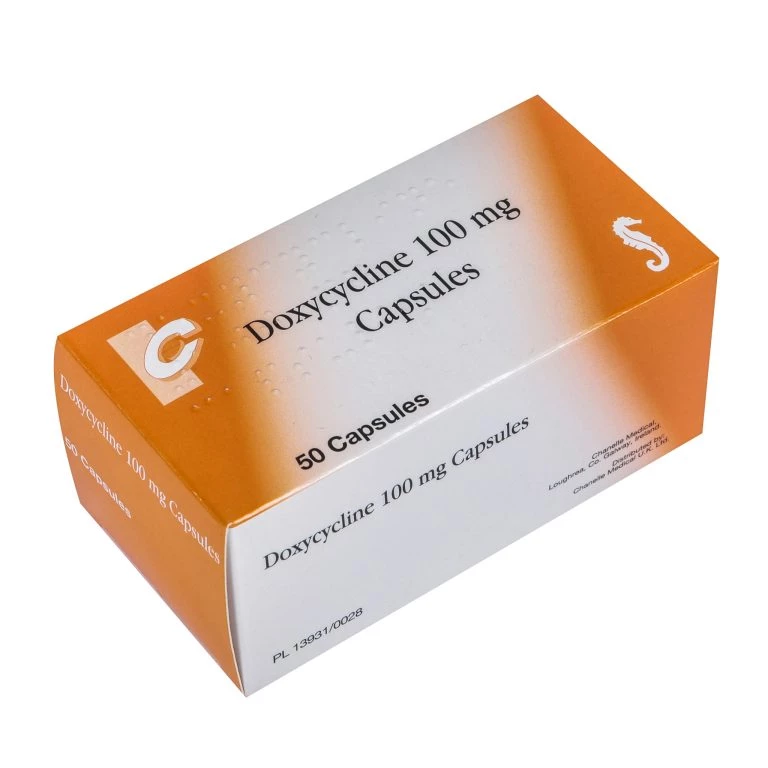


What is doxycycline?
Doxycycline is a tetracycline antibiotic that inhibits bacterial growth and may have anti-inflammatory effects. Doctors use doxycycline to treat bacterial infections, including acne, rosacea, urinary and respiratory tract infections, eye infections, gum disease, gonorrhoea, chlamydia, and syphilis. Additionally, healthcare providers use doxycycline to prevent malaria and to treat infections caused by mites, ticks, or lice.
Doxycycline hyclate and doxycycline monohydrate are two different salt forms of doxycycline. One difference between the two is that doxycycline hyclate dissolves in water, while doxycycline monohydrate has very slight solubility in water.
Doxycycline is available in common strengths of 100 mg, 75 mg, and 50 mg in capsules and tablets. It also comes as an injection, suspension, or syrup.
Doxycycline side effects
Common doxycycline side effects
Patients often experience common side effects of doxycycline, including nausea and vomiting, upset stomach, loss of appetite, mild diarrhoea, skin rash or itching, darkened skin colour, and vaginal itching or discharge.
Serious doxycycline side effects
Seek emergency medical help if you notice any signs of an allergic reaction to doxycycline, such as hives, difficulty breathing, or swelling in your face or throat. Also, watch for severe skin reactions, which may include fever, sore throat, burning in your eyes, skin pain, or a red or purple skin rash that spreads and causes blistering and peeling.
Doxycycline can treat the following:
Chest infections (like pneumonia)
Skin conditions (including acne and rosacea)
Sexually transmitted infections (e.g., chlamydia)
Urinary tract infections
Malaria prevention (in some cases)


Reviews
There are no reviews yet.